- The Blueprint
- Posts
- Year-end existing sales were the strongest in 3 years
Year-end existing sales were the strongest in 3 years
Plus, how to convert withdrawn listings to valuable new clients

Rinku Mathew
January 16, 2026
Playing the hand you’re dealt
We’re going to be frank with you. Last year saw a huge jump in withdrawn listings and cancellations. That’s never good. Even if you’re one of the agents who had a listing pulled, it doesn’t have to be a permanent setback.
It’s an opportunity to convert these motivated sellers into valuable new clients. You can’t control the hand you’re dealt, only how you play it.
But how do you do that?
That’s exactly the topic we explore in Foundation Plans after we cover the most important stories affecting us agents in today’s Blueprint.
Let’s go!
- James
Existing home sales blew expectations in December

Source: Unsplash
Existing home sales surpassed expectations in December, rising to a seasonally adjusted annualized pace of 4.35 million units. That marks a 5.1% increase from November and represents the strongest December sales level in nearly three years. Analysts were expecting sales to rise by just 2% month over month, according to CNBC. Here’s what the business news network reported in its latest update.
Existing home sales increased 1.4% year over year.
Sales rose month over month across all regions, with annual gains in the Northeast and Midwest, while activity remained lower year over year in the South and West.
There were 1.18 million units available for sale at the end of December, down 18% from November.
The median price of a home sold in December was $405,400, up 0.4% from a year earlier.
Total existing home sales for the full year reached 4.06 million units, unchanged from 2024
My take
December’s upside surprise in existing home sales is a reminder that forecasts aren’t outcomes. Expectations called for modest growth, but sales came in stronger than expected, showing how quickly conditions can shift when mortgage rates stabilize, and buyers step back in. This doesn’t signal a return to a hot housing market — inventory remains tight, full-year sales were flat versus 2024, and price growth continues to cool —but it does point to underlying demand that’s more resilient than many forecasts suggested. Never let forecasts be your final word on anything. They help set expectations, but the facts on the ground matter more. Forecasts are simply our best estimates at a point in time, nothing more, and December’s data suggests the market is stabilizing rather than stalling, with potential for greater upside in 2026.
    |
Monthly housing costs post their biggest decline in over a year
Source: Unsplash
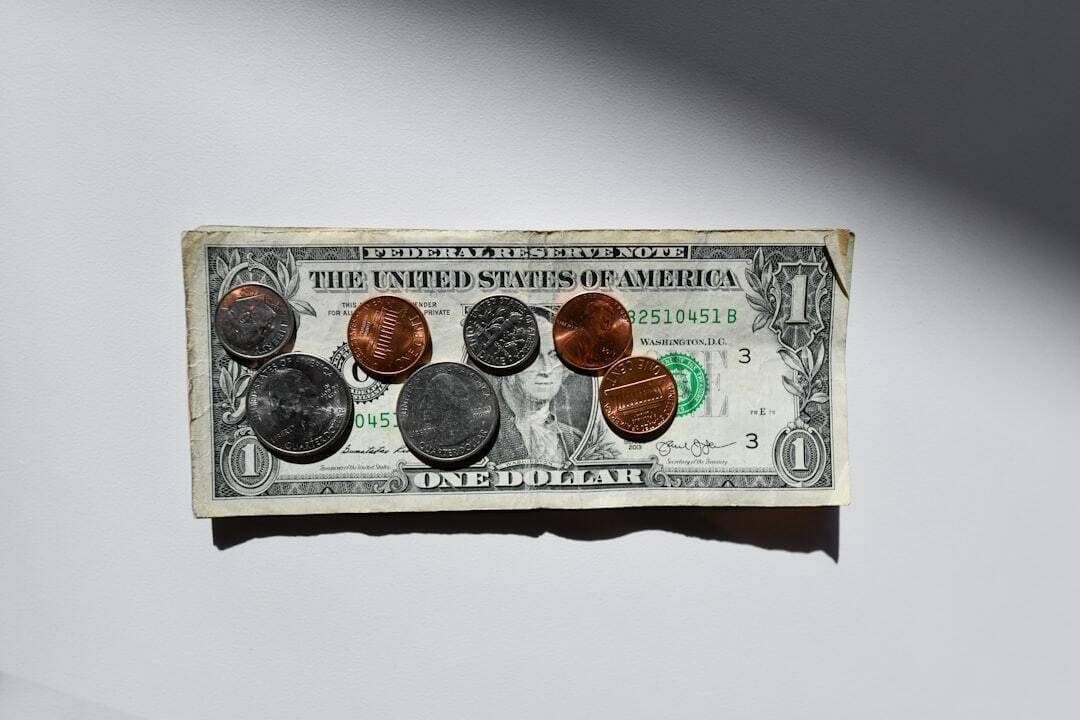
Monthly housing costs are starting 2026 meaningfully lower. The median monthly payment fell to $2,413, down 5.5% year over year, marking the biggest decline since October 2024 and sitting near a two-year low, according to Redfin. Here’s what else you need to know:
Mortgage rates are driving the relief: The average 30-year rate dipped below 6%, boosting buyer purchasing power by roughly $14,000 in the past month and $30,000 over six months, even after a modest rebound in rates.
Prices are still rising, but much more slowly: The median home price is up just 1% year over year, a sharp deceleration from the 4%–5% gains seen at the start of 2025, helping offset affordability pressures.
Activity remains cautious, but interest is building: Pending sales are down 5% and new listings fell 4.7%, yet mortgage purchase applications jumped 16% week over week, signaling potential demand pickup if lower rates stick.
My take
This drop in monthly housing costs matters, but it’s not a sign the market is heating up again. Lower mortgage rates are driving the improvement, giving buyers some breathing room even as prices continue to edge higher. Still, activity remains soft — pending sales and new listings are down — showing that both buyers and sellers are moving cautiously. The key point is that demand hasn’t gone away; it’s been waiting. If rates stay near current levels, this relief could turn into firmer activity as spring approaches, but for now, the data points to a market that’s stabilizing, not accelerating.
| |
The Drivers Behind Portugal’s Real Estate Demand

When evaluating international real estate markets, climate and livability are often dismissed as “soft factors.” In reality, they are two of the strongest long-term demand drivers, especially in resort and second-home markets where usage, rental performance, and buyer retention are closely tied to lifestyle consistency.
Portugal is statistically one of the sunniest countries in Europe, according to Palmares Living their southern coast The Algarve averages close to 300 days of sunshine per year. For context, that’s nearly double the annual sunshine of London and significantly more than Paris or Amsterdam. That consistency matters. It supports year-round tourism, stabilizes seasonal demand, and strengthens rental fundamentals in coastal and resort-driven markets.
In destinations like Vilamoura and Palmares, climate directly shapes daily life and market behavior. Golf remains playable across seasons, marina access and beaches are usable year-round, and outdoor dining is part of everyday living rather than a seasonal luxury. These conditions reduce volatility and increase long-term appeal for both owners and renters.
Portugal also ranks highly across global quality-of-life indices, driven by walkable cities, a Mediterranean diet, outdoor culture, and a deeply ingrained work-life balance. James has spoken often about spending time in Portugal growing up, and it’s easy to see why. Real estate demand typically follows when livability metrics rise.
Florida crushes December’s priciest home sales

Source: Unsplash
Florida dominated the ultra-luxury housing market in December, accounting for six of the 10 most expensive home sales in the U.S. The month’s biggest deals were concentrated along the coast, led by a $101.5 million waterfront estate in Miami.
Here are the most expensive U.S. home sales of December, according to Redfin:
My take
December’s priciest home sales underscore how concentrated the ultra-luxury market has become at the very top. While much of the housing market continues to adjust to higher rates and tighter affordability, demand for true trophy properties – particularly beachfront estates in Florida – remains largely insulated. These buyers are less rate-sensitive and more driven by lifestyle, tax considerations, and long-term wealth preservation, which helps explain why coastal Florida continues to outperform traditional luxury strongholds like New York and California at the highest price points.
| |
Schematics
The news that just missed the cuts

Source: Unsplash
Trump administration is thinking of allowing early 401(k) withdrawals for home purchases
What the Compass-Anywhere merger really means
Do this when your clients ask, “Why isn’t my home selling yet?”
Billionaire Rams owner Stan Kroenke becomes America’s biggest private landowner
Foundation Plans
Advice from James to win the day
In today’s market, a growing number of sellers have withdrawn their listings, with withdrawals rising 28% over the past year. While many agents see this as a setback, withdrawn listings represent a significant opportunity to win new clients.
A withdrawn listing usually signals a motivated seller who still wants to sell, but pulled back due to timing, pricing, or frustration with their prior agent. These homeowners may be more open to a fresh strategy and a proactive agent who can show them a better path forward.
Here are steps you can take to turn withdrawn listings into valuable new leads.
1. Research the “why” behind the withdrawal – Before reaching out, dig into why the home was pulled off the market. Was it overpriced, poorly marketed, or simply a case of seller fatigue? Knowing the cause helps you tailor your approach and demonstrate empathy. When you contact the seller, acknowledge their situation and show that you understand why things didn’t work the first time.
2. Reframe the opportunity for the seller – Most withdrawn sellers are discouraged, not uninterested. Your job is to show them how market conditions, pricing adjustments, or improved marketing could lead to a different outcome. Reframe their perspective. Show them that the first listing attempt was a learning process, not a failure. This positive, solutions-focused approach might help them forget about that last attempt and try again.
3. Offer a concrete, customized plan – Don’t just promise “better marketing.” Spell out what you’ll do differently. Share a quick snapshot of how you’d reposition their home, from staging tweaks to digital advertising to pricing strategy. Provide examples of homes you’ve successfully sold after a failed first listing. Those specifics give the seller tangible reasons to meet with you.
4. Time your outreach strategically – Withdrawn sellers often need a cooling-off period before they’re ready to re-engage. Track these leads and follow up at smart intervals, such as after 30–60 days, or when market activity picks up in their area. Consistent, thoughtful touches — a market update, a handwritten note, or a quick call — keep you top of mind. When they’re ready to try again, you’ll be the agent they think of first.
Bottom Line: Withdrawn listings aren’t dead ends; they’re opportunities waiting for the right approach. By showing empathy, offering a fresh strategy, and following up consistently, you can turn discouraged sellers into your most loyal clients.
Just in Case
Keep the latest industry data in your back pocket with today’s mortgage rates:

Source: Mortgage News Daily
"Excellence is never an accident. It is always the result of high intention, sincere effort, and intelligent execution." – Attributed to Aristotle
Thanks for reading, friends. Excellence and success don’t happen by chance — they’re built through intention, focus, and consistent effort.
Have a wonderful weekend, and I’ll see you back here next Friday!
- James